


Sublimation Ink
Why Choose Us
Quality Control
Jumbo paper factory manufacturer in Guangzhou City China who Covering an area more than 20,000sqm.
Quality Control
There is an independent coating workshop to coat the paper, and the quality inspection department checks the quality of the paper.
One-stop Solution
Provides comprehensive services, including initial consultation, production follow-up, and after-sales service, to offer you a one-stop solution.
24H Online Service
Respond quickly to ensure you receive timely help and support to the greatest extent possible.
What Is Sublimation Ink
Sublimation ink has emerged as a potent tool in the realm of printing, catering to specialized applications with its versatility and power. However, the question often arises: can sublimation ink be harnessed for regular printing tasks? In this blog, we will delve into sublimation printing, its strengths, where it truly shines, and its limitations when applied to more conventional printing scenarios.




Benefits of Sublimation Ink
Detail on the High-Quality Images
The sublimation ink reaches the printing material in gaseous form. It penetrates and firmly binds to the fabrics under controlled heat and pressure. The dye particles of the ink are embedded in the substrate and cannot fade off easily. The sublimation process gives more detailed prints and high-resolution printing results. Unlike screen printing, where smudging and smearing pose a risk to image quality, sublimation printing is not affected by such factors.
Durability and Longevity
Sublimation prints have proven to be durable. Heat presses under pressure on the prepared heat transfer paper ensure the sublimation ink forms a firm image on the printing surface, including rigid surfaces of items like mugs and plates. The vivid image does not peel or scratch off and is close to permanent on the printed material, which is not the case with DTG printing. For example, sublimation printing on garments can last longer without fading until the item is worn out. The sublimation inks are designed to be waterproof and resistant to UV, scratching, or abrasion over time.
Versatility in Material Application
One of the key advantages of sublimation printing is its flexibility with materials. The sublimation inks can print on a wide range of substrates, barring pure cotton or silk. You can use sublimation inks to print on polyester fabrics, wood, glass, cardboard, and metal surfaces. Even the cotton, if treated with a polyester layer, can be sublimated with specialized ink. Business owners take advantage of sublimation printing since it can print on a wide range of materials.
Ease of Customization
he level of customization in sublimation printing is higher compared to other printing methods. It allows people to create near-permanent images and other graphics rather than adding layers on top of their items. It is ideal for quick customization and printing of personalized, intricate designs on mugs, apparel, and other items. In today's fashion markets, it is difficult to find garments without graphic designs; people are looking for clothing with the right fabric while looking attractive with designs. Even plain t-shirts or other garments on the market are sold without preprinted designs to allow customers to apply their desired graphics. The intricate designs will not peel as long as the print is applied effectively to the surface.
Polyester Fabric: Ideal for textiles, resulting in vibrant and long-lasting designs.
Ceramic Tile: Is excellent for customizing home decor items.
Metal: Enhances durability for items like aluminum panels and license plates.
Glass: Enables striking designs on glass surfaces, such as photo frames and drinkware.
Stone: Perfect for creating unique mementos on stone surfaces.
Wood
Allows intricate designs on wood for personalized gifts and home decor.
Plastic
Offers a professional finish on certain plastics, like phone cases and keychains.
Fabric Banners
Produces high-quality graphics on polyester fabric for fabric banners.
Application of Sublimation Ink
Textile Industry
Think of the attractive image and other prints in full color on your t-shirt. Textiles, like polyester garments, and apparel, like t-shirts, jumpers, and socks, are effective with sublimation printing. All polyester fabrics are compatible with sublimation inks. Notably, the textiles and apparel printed through dye sublimation are washable and do not wear or wash off over time.
Hardware
The demand for custom prints on personal items is high. Dye sublimation printing allows the creation of desirable images and other prints on hardware items like ceramics, metals, and wood. Some people also want to create personalized images on the surface of items like mugs and plates. The sublimation printing method can produce vivid designs on hardware items that can maintain vibrant colors even after washing.
Dye-based sublimation ink
Dye-based sublimation ink is the most popular type of sublimation ink on the market. This ink is known for producing vibrant and bright colors that are ideal for printing on fabrics, ceramic, metal, and other surfaces.Dye-based sublimation ink is absorbed into the surface of the material during the sublimation process, resulting in a long-lasting, durable print that resists fading and peeling.
Pigment-based sublimation ink
Pigment-based sublimation ink is less common than dye-based ink but is known for producing prints with high color density and sharpness. Pigment-based ink is ideal for printing on hard surfaces like ceramic and metal.Pigment-based sublimation ink creates a chemical bond with the surface of the material, resulting in a print that is more durable than dye-based ink. However, pigment-based ink tends to be more expensive and requires more heat and pressure to transfer.
How to Choose Sublimation Ink


Confirm the printhead model
One sublimation ink can not fit all printer models, in the purchase of ink before you usually need to confirm your print head model, choose a sublimation ink compatible with it.
Anti-sedimentation
Dye sedimentation in the ink will seriously affect the quality and stability of the ink, which can easily lead to print head blocking, so quality ink must have good resistance to sedimentation.
Smoothness of printing
The smoothness of the ink is the value of one print length and area. Smoothness determines the print quality and print paper's continuous length. By the production standards for inkjet printing ink, the general ink dye particle size can not be greater than 0.1μm, below this standard may appear on the printer plugging phenomenon, and the ink quality will be greatly reduced.
Color reproduction rate
Sublimation inks transfer images to products mainly through the properties of thermal sublimation, so the color reproduction rate is one of the very important factors. The higher the color reproduction rate, the higher the color saturation of the pattern transferred to the product. The high-quality ink is the only way to ensure the transfer of the right colorful, richly layered patterns to create excellent visual effects. For sublimation transfer ink, black ink is the easiest to off-color, so when choosing you can first print a black color block to check whether the color after the transfer is pure black. This is also the most direct distinction between the advantages and disadvantages of heat transfer sublimation ink important indicators.
Color fastness
Colorfastness is related to the pigment in different materials, whether to withstand scrubbing, friction, exposure to the sun and other tests. It is also an important way to test the quality of sublimation ink. The higher the color fastness of the ink, the print is not easy to fade, and the stronger the durability.
Tips For Optimal Results With Sublimation Ink
Choose the Right Fabric
The success of your sublimation print hinges largely on the material at hand. Opt for fabrics with a high polyester content for optimal results. Polyester efficiently absorbs and retains sublimation ink, ensuring vibrant and resilient prints. While some natural fibers can be used, they may yield slightly less vivid colors and lower durability.
Preheat Your Printer
Prior to commencing the actual printing process, it is imperative to pre-heat your sublimation printer. This way, the ink will run with less chance of clogging or uneven printing. Refer to your printer manufacturer's guidelines for the recommended pre-heating procedure.
Use the Correct Settings
Precise printer settings play a pivotal role in securing the best results. Ensure your printer is set up with the proper color profile and resolution. Additionally, adjust the settings to align with the type of paper you're using and the material destined for printing. Proper settings uphold color accuracy and image sharpness.
Use High-Quality Paper
Sublimation paper is tailor-made to facilitate the efficient absorption and release of sublimation ink. Employing high-quality sublimation paper is paramount for obtaining sharp, vibrant, and long-lasting prints. It guarantees even ink absorption and mitigates smudging or bleeding.
Use the Correct Amount of Ink
Achieving the right balance with ink consumption is pivotal. If ink is overused, it can result in oversaturation of the material, leading to blurry or distorted prints. Conversely, insufficient ink may yield dull and faded colors. Follow the recommended ink settings for your specific printer and substrate to attain the perfect saturation level.
Experiment
Sublimation printing lends itself to experimentation. Explore various combinations of ink, paper, and materials to uncover the optimal formula for your project. You might stumble upon unique color effects or textures that infuse a creative dimension into your prints.
Exercise Patience
Obtaining the finest results with sublimation ink necessitates patience and meticulousness. Don't rush through the process; ensure each step is completed correctly by spending adequate time on it. Rushing through the printing or heat transfer phases can result in errors and subpar outcomes.
Store Your Prints Properly
Once your prints are finalized, it becomes imperative to store them appropriately to preserve their quality. House sublimation prints in a cool, dry environment, sheltered from direct sunlight to prevent fading. To protect against scratches or damage, consider using protective covers or sleeves.
4 Simple Ways to Store Dye Sublimation Ink
Keep an eye on expiration date
First off, pay attention to the expiration date of the ink. Similar to other printing ink, dye sublimation ink has an expiration date. Do not use an expired ink.Apart from causing damage to a printer, an expired dye sublimation ink may be harmful to your health. The ink is made up of various ingredients, including pigments, dyes and more. Once it expires, replace it with a new ink. Avoid storing the expired sublimation ink in a freezer. A frozen ink will be of no use.
Protect it from sunlight
In order to extend the life of dye sublimation ink, keep it away from sunlight. Excessive sun exposure can contaminate it.
Use an air tight container to store it
An air right container is the safest way for storing dye sublimation ink. Avoid shaking or moving the container as it can cause air bubbles. Air bubbles can decrease the printing quality. Make sure the ink containers are stored in a flat position.
Use distilled water to clean ink cartridge
Tap water contains many germs and bacteria, which can harm dye sublimation ink. Use distilled water for washing the ink cartridge.Once you have washed the cartridge, let it dry. Pour in dye sublimation ink into a dry cartridge. This will prevent the formation of air bubbles.Finally, invest in good quality dye sublimation ink for great sublimation printing results. At InkJD, we provide eco-friendly dye sublimation ink at competitive pricing.
How to Maintain Sublimation Ink
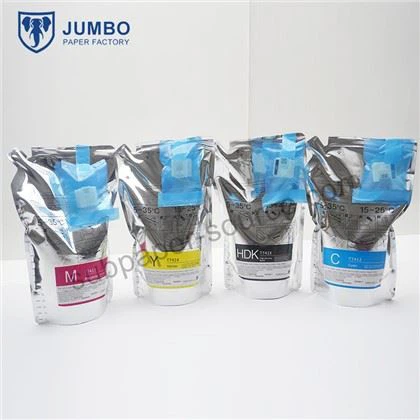
Most dye sublimation ink is water based ink. These inks regularly come in bottles or bags that write a termination date from the maker. When this date hits, regardless of what kind of storage you utilize, these inks are not suitable to use any more. In addition to the expiration date, you should also avoid freezing, too. Water based sublimation inks can’t be put away in a cooler. Whenever frozen when the ink is defrosted it isolates and is not, at this point useable. Dodge this by taking additional consideration of your sublimation ink and viewing the termination dates cautiously.
Water based sublimation ink is very prone to bacteria. If we store them in sunlight, the heat can cause the water to evaporate, making the ink more viscous. Using thick inks can damage your printer head nozzles, and the print quality is also likely to get affected. Furthermore, UV energies carried by sunlight will cause chemical decomposition of the ink material. This can cause the ink to fade in color, and we’ll have to get our stock replaced prematurely. Therefore, avoid sunlight and too much heat. These two things can create bacteria.
All ink should be put away in an airtight container. Most sublimation printing inks should effectively be shipped with a container that is protected to store. All containers likewise require to be put away level. Any tilt can make the levels in the ink blend. On the off chance that you see any slight separation. Don’t worry, just need to swirl the bottle in slow circles. Evade an excess of shaking. A lot of shaking can cause air bubbles, which can wreck your printing. when it happens bubble and shaking, permit the ink to sit for the time being so the air pockets will break down. It’s unequivocally exhorted that we need to keep sublimation inks in hermetically sealed containers. Whenever presented to air, color sublimation ink can dry, which can make them unseemly for use. Besides, in all honesty, however presentation to air can cause certain bacteria to grow in our dye sublimation ink. These microscopic organisms can normally corrupt the ink material.
Faucet water has so much microbes as of now that on the off chance that you use it to clean your devices, it could make microorganisms ruin your printer. In the event that you can, utilize refined water to clean all channels and needles used to fill ink cartridges. In the event that you use faucet water to ensure that every one of your instruments is totally dry prior to having contact with your ink. When topping off cartridges never leave your bottle/bag open to the air.
Our Factory
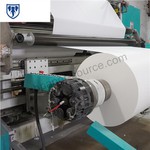
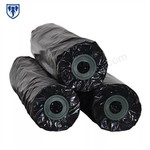
Jumbo paper factory manufacturer in Guangzhou City China who Covering an area more than 20,000sqm.We are committed to producing, slitting, and selling all kinds of sublimation paper, as well as protective paper for roller heat press machine transfer.There is an independent coating workshop to coat the paper, and the quality inspection department checks the quality of the paper. It produces the base paper of sublimation paper. Finally, it is transported to the slitting workshop for slitting into rolls of paper of different widths and meters.In this way we could control the quality from every step.

Certifications


FAQ